USA Flag Svg: A Designer's Take on Stitching Patriotism
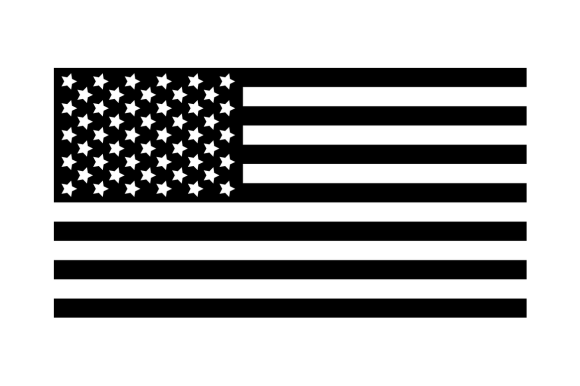
When I first pulled up the USA Flag Svg on my screen, I wasn't looking for flashiness. As someone who spends hours staring at digitized patterns and thinking about how they translate to thread, I look for clarity, balance, and potential. This file lands squarely in the Crafts and Graphics categories, but my mind immediately went to the finished product. How would this look on a textured canvas tote? Would the stars hold up on a baby onesie? The design carries a classic, timeless mood. It doesn't try to reinvent the wheel; instead, it offers a clean, recognizable silhouette that screams "Americana" without feeling cluttered.
The layout is straightforward, which is often exactly what you need for embroidery. Complex gradients don't work well with thread, so a solid shape with defined edges is crucial. Visually, the personality of this graphic feels sturdy and reliable. It suggests a project that needs to last—something like a work apron for a boutique coffee shop or a patch for a denim jacket. For an Etsy seller or a small shop owner, this kind of versatility is gold. You aren't just buying a picture; you are buying a component for a handmade product that needs to withstand washing and wearing.
Real-World Application: The Custom Tote Bag Scenario
Let's walk through a real-life scenario where I might use this asset. Imagine a client wants a set of custom tote bags for a local farmers' market stall. They want something that looks professional but approachable. I'd pull up the USA Flag Svg and consider the fabric. Canvas is forgiving, but it has a weave that can swallow tiny details. Because this file comes as an SVG, PNG, DXF, EPS, and PDF, I have options. For the embroidery machine, I would likely trace the SVG to create a specific machine embroidery design tailored to the hoop size.
In this context, the design shines because of its simplicity. If I were to stitch this using a satin stitch for the stripes and a fill stitch for the blue canton, the contrast would be sharp. Customers reacting to the final bag would see a crisp, bold statement. It adds value to the finished product because it looks intentional, not like a cheap iron-on transfer that peels after two washes. For custom apparel like sweatshirts or caps, this same logic applies. The design anchors the garment, giving it a sense of purpose and origin.
However, if I were making a personalized gift like a nursery pillow or a baby embroidery item, I would pause. The stars in the flag design can be tricky. If the original graphic has very fine points, those might not translate well into thread without becoming a dense blob. This is where the reviewer in me says: test first. The visual appeal is high, but stitching clarity depends entirely on how you digitize or interpret these vector lines into actual stitches.
Navigating Fabric Textures and Hoop Limitations
Not every surface is created equal. While the USA Flag Svg is versatile, there are places where you need to exercise caution. If you are working with stretchy fabrics like jersey knits for t-shirts, the stability of the design becomes paramount. Without the right stabilizer, the stripes could pucker, distorting the flag's proportions. A warped flag looks unprofessional and can erode customer trust.
Similarly, consider the hoop size. If you are trying to fit this onto a small cap or a curved surface, the density of the design matters. If the stripes are too close together, the needle might perforate the fabric too many times in one area, leading to weakness or thread breakage. For embroidered patch creation, this design is excellent, provided you use a thick cut-away stabilizer to maintain the shape. But for thin fabrics like silk or lightweight linens intended for holiday embroidery projects like table runners, you might need to simplify the internal details or increase the scale.
Dark fabrics present another challenge. If you are stitching a white outline or light-colored stars on a navy background, your thread colors need to have enough coverage. A single layer of running stitch might let the dark fabric peek through, ruining the crispness of the digital embroidery file's intent. In these cases, a double pass or a thicker fill might be necessary to ensure the design pops.
Enhancing Brand Consistency and Product Value
For creative entrepreneurs and craft business owners, consistency is key. Using a high-quality base graphic like the USA Flag Svg helps maintain a cohesive look across different products. Whether it's a tea towel, a blanket, or a wall hanging, the core image remains recognizable. This recognition builds brand identity. When a buyer sees that specific flag design on multiple items in your small shop product line, it creates a sense of professionalism.
The inclusion of multiple file formats—SVG, PNG, DXF, EPS, PDF—is a huge plus for workflow efficiency. As a designer, I appreciate having the EPS for print mockups and the SVG for cutting machines or digitizing software. This flexibility allows you to create printable mockups for your online listings before you even stitch a single thread. It helps visualize how the design assets will look on a sweatshirt embroidery preview or a website banner, increasing buyer engagement.
Practical Notes for the Serious Maker
Before you commit this design to a client's expensive garment, here are a few practical steps I recommend based on experience:
- Test on Scrap Fabric: Always stitch a sample on the exact same material you plan to use for the final product. This reveals issues with stitch density and tension.
- Check Color Contrast: Ensure your thread choices mimic the vibrancy of the original graphic. Dull threads can make a bold design look muddy.
- Inspect Small Details: Zoom in on the stars and corners. If they look jagged in the vector file, they will look worse in thread. You may need to smooth nodes before digitizing.
- Verify Licensing: While the file package is comprehensive, always confirm the license terms regarding commercial use. Can you sell the stitched item? Can you resell the digital file? Clarity here protects your business.
- Consider the Wash: Think about how the finished product will be cared for. Dense areas might shrink differently than the surrounding fabric after a hot wash.
Ultimately, the USA Flag Svg is a solid contender for your library of graphics. It bridges the gap between digital convenience and tactile craftsmanship. It works best when treated with respect for the medium of embroidery. It's not just about loading a file; it's about understanding how those vectors become loops of thread that people will touch, wear, and cherish. For the apparel decorator or the hobbyist looking to elevate their game, this design offers a reliable foundation. Just remember, the file is only half the equation; your skill in translating it to fabric is what truly brings the embroidery project to life.