Eagle Patriotic USA Flag: A Designer's Review
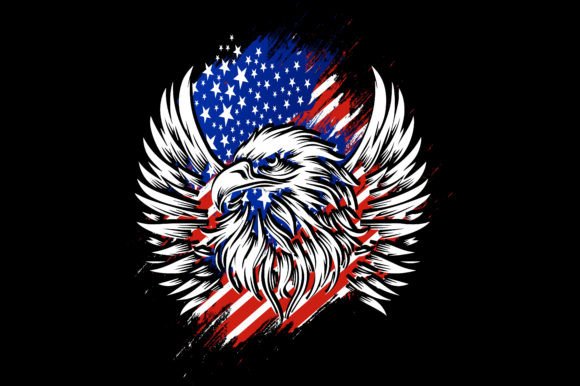
When I first opened the Eagle Patriotic USA Flag file on my screen, the immediate impression was one of bold, unapologetic Americana. As a designer who spends hours tweaking digitized files and testing them on various fabrics, I look for more than just a pretty picture; I need a design that translates well from a digital graphic into a tangible, stitched reality. This piece, categorized under Crafts and Graphics, presents itself as a versatile asset, but the real question is how it holds up when the needle hits the fabric. The visual personality here is strong—it commands attention with its classic eagle motif intertwined with the stars and stripes, creating a mood that is both celebratory and timeless.
Visual Impact and Design Layout
The layout of the Eagle Patriotic USA Flag is compact yet detailed enough to serve as a focal point. In the world of machine embroidery design, balance is everything. If a design is too dense, it puckers the fabric; if it is too sparse, it looks unfinished. From what I can see in the vector preview, this design relies heavily on clean lines and distinct color blocks, which is excellent for maintaining clarity. The eagle's wingspan and the flow of the flag suggest a dynamic movement that static images often lack. For an Etsy seller or a boutique owner, this kind of visual energy is crucial because it stops the scroll on social media and draws the eye in a crowded craft fair booth.
The theme is undeniably tied to national pride, making it a natural fit for holiday embroidery projects surrounding the 4th of July, Memorial Day, or Veterans Day. However, its utility extends beyond just seasonal items. The classic nature of the imagery means it can work year-round for customers who simply want to express their patriotism. When evaluating the detail level, I noticed that the feathers and flag folds require precise stitching. This suggests that the original digitizing likely utilizes a mix of satin stitch for the outlines and textural elements, and fill stitch for the larger colored areas. This combination is standard for high-quality embroidery file outputs, ensuring that the final product has depth and dimension.
Real-World Application Scenarios
Let's move from the screen to the hoop. Imagine you are preparing a custom order for a local fire station or a family reunion. You decide to use the Eagle Patriotic USA Flag on a heavy cotton tote bag design. The sturdy canvas of a tote bag provides the perfect foundation for this type of graphic. The stiffness of the fabric supports the stitch density required for the eagle's details without warping. Alternatively, picture this design on a navy blue sweatshirt embroidery project. The contrast between the bright reds, whites, and blues of the flag against the dark heather fabric would make the design pop, creating a high-value handmade product that feels professional rather than homemade.
I also see potential for this graphic in the realm of custom apparel for small businesses. A local gym or a sports team looking for uniform patches could utilize this design effectively. If converted into an embroidered patch, the defined edges of the eagle would hold up well to merrow border finishing. For those running a craft business, the versatility of this asset allows you to create a cohesive collection. You could offer matching sets: a cap for the dad, a onesie for the baby (with appropriate scaling), and a kitchen towel for the home. This ability to scale a single digital embroidery file across different products is a massive advantage for inventory management and brand consistency.
Technical Considerations and Fabric Choices
While the design is robust, there are areas where caution is necessary. Not every fabric is a suitable candidate for the Eagle Patriotic USA Flag. If you are working with thin, stretchy materials like jersey knit for baby embroidery, you must be vigilant. The density of the flag's stripes and the eagle's body could cause the fabric to pucker or distort if not properly stabilized. In these cases, using a cut-away stabilizer is non-negotiable. It provides the permanent support needed to keep the stitches flat and the design crisp after multiple washes.
Curved surfaces present another challenge. Placing this design on a structured cap requires careful positioning. The center of the cap is often the safest bet, but you must ensure the width of the eagle's wings does not extend too far into the curved sides, which can cause thread breaks or registration issues. Similarly, if you are attempting to use this on textured fabrics like towels or fleece, the running stitch details might get lost in the pile. In such instances, increasing the underlay or choosing a smoother fabric alternative might be necessary to preserve the integrity of the image.
Color contrast is another critical factor. The design relies on specific thread colors to define the separation between the eagle, the flag, and the background. If you decide to stitch this on a black garment, ensure that the white elements of the flag are dense enough to cover the dark fabric underneath completely. Transparency in light fill stitches can ruin the professional look of a finished product. Always run a test stitch-out on scrap fabric that matches your final material. This simple step saves time, money, and reputation.
Commercial Viability and Brand Trust
For the small shop product creator, the perceived value of an item is directly linked to the quality of the decoration. A blurry or poorly stitched eagle looks cheap, whereas a sharp, vibrant Eagle Patriotic USA Flag elevates the entire item. Customers trust brands that pay attention to detail. When they see clean satin columns and smooth fills, they associate that quality with your entire business. This design has the potential to boost buyer engagement because it taps into emotional resonance—pride, heritage, and celebration.
However, before listing this as a printable mockup or selling finished goods, you must verify the licensing terms. The product description mentions it is perfect for sublimation on mugs and signs, indicating its origin as a graphic asset. Using a sublimation-ready vector for embroidery requires conversion or careful inspection to ensure the paths are optimized for thread, not ink. If the file provided is strictly a vector for printing, you may need to have it professionally digitized for embroidery machines to avoid technical failures. Never assume a graphic file is ready for stitching without checking the hoop size compatibility and stitch count limitations of your specific machine.
Final Verdict for Makers
In conclusion, the Eagle Patriotic USA Flag is a powerful visual asset that, when treated with the right technical respect, can become a staple in your design assets library. It offers a strong narrative for personalized gift ideas and commercial lines alike. Whether you are decorating aprons for a BBQ, creating memorial items, or stocking up for the summer holiday rush, this design delivers on impact. Just remember to respect the materials, choose your stabilizers wisely, and always test before you commit to production. By doing so, you ensure that every embroidery project you release meets the high standards your customers expect.