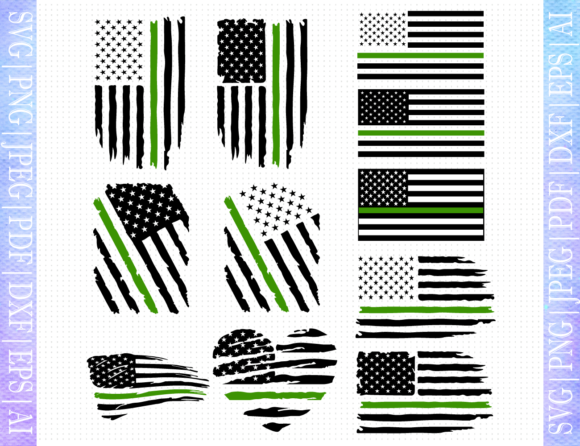
Army Flag Flag: Graphics for Crafts Projects
As a designer who regularly works on branding, marketing visuals, and digital design assets, I always look for high-quality graphic design assets that can elevate a project without overwhelming it. Army Flag Flag caught my attention with its bold, recognizable style and clear application in creative design. This asset is ideal for small business branding, handmade businesses, or print-on-demand projects looking to add a strong visual element.
First Impressions: Bold, Patriotic, and Versatile
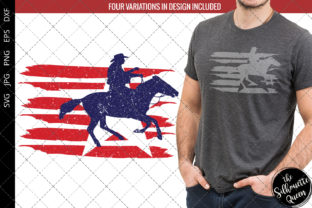
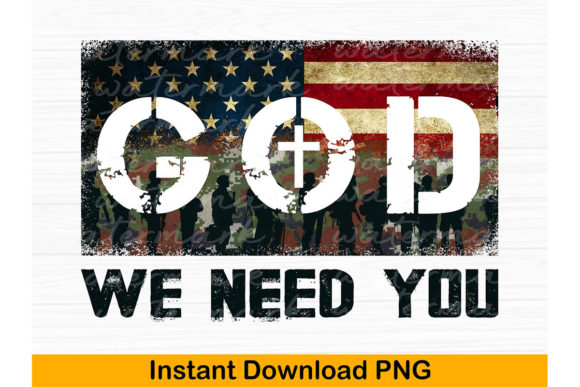
Army Flag Flag immediately conveys a sense of strength, tradition, and patriotism. The design uses a classic red, white, and blue color scheme with sharp lines and clean typography. It feels like a modern interpretation of a military emblem, making it suitable for brands that want to communicate authority, reliability, or a connection to heritage. The visual mood is serious but not overly formal, which makes it adaptable for both casual and professional settings.
This design fits well into crafts and graphics projects where a strong visual identity is needed. Whether used as a t-shirt design, a sticker design, or part of a product mockup, Army Flag Flag adds a level of authenticity and depth that can enhance the overall aesthetic.
Real-World Application: From Packaging to Social Media
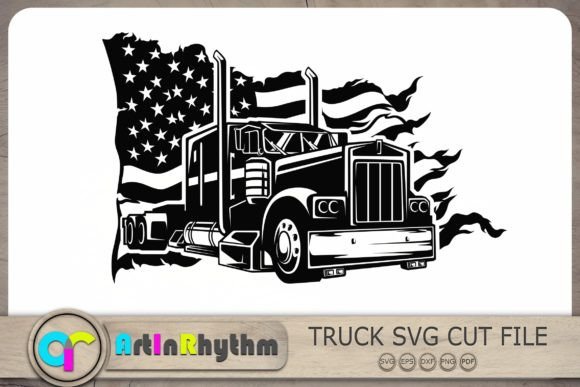
When considering real design situations, Army Flag Flag proves to be a versatile graphic design asset. In logo design, it could serve as a central motif for a brand that wants to emphasize loyalty, courage, or service. For brand identity, it can be used as a background element, icon, or border to reinforce a cohesive visual language.
In packaging design, this flag could work well as a decorative accent on product boxes, especially for items related to outdoor gear, military-themed merchandise, or patriotic events. As a printable design, it’s perfect for invitations, posters, or flyers that require a strong visual statement.
For social media graphics, Army Flag Flag can be used as a hero image, a banner, or a background element in Canva templates. It also works well in editorial design, such as blog visuals or magazine layouts that need a bold, eye-catching element.
Best Use Cases: Large Layouts and Themed Campaigns
Army Flag Flag shines in large layout areas, where its details can be fully appreciated. It works best as a hero graphic, a product mockup, or a key element in themed collections. For example, a seasonal campaign promoting a local event or a handmade business selling patriotic-themed goods could benefit from this design.
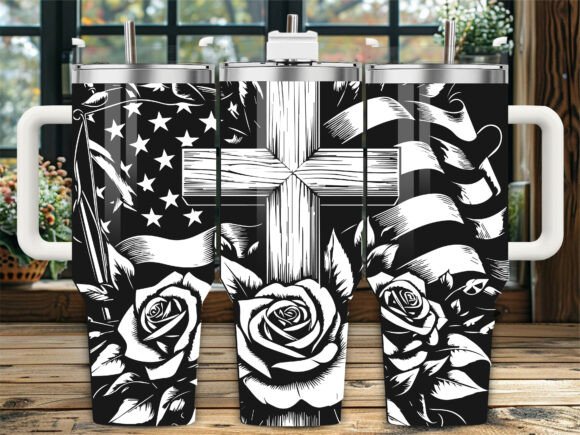
It also serves as an effective decorative accent in commercial design, especially when paired with other elements that complement its boldness. As a sublimation design, it can be printed on mugs, tote bags, or t-shirts to create eye-catching merchandise that resonates with a specific audience.
Use with Caution: Minimalist and Corporate Settings
While Army Flag Flag is powerful, it may not be the best choice for minimalist branding or professional corporate materials. Its strong visual presence could clash with clean, simple designs that rely on negative space and subtle elements. In crowded layouts, it might overwhelm other design components, so careful placement is essential.
For low-contrast designs or projects that require a very clear visual hierarchy, this asset may need to be adjusted or paired with other elements that balance its intensity. It’s important to test it in different contexts before finalizing any client project.
Design Considerations: Readability and Brand Consistency
Readability is a key factor when using Army Flag Flag. While the design is clear at larger sizes, it may lose some detail when scaled down. This means it should be used carefully in small formats, such as icons or thumbnails, where clarity is crucial.
Brand consistency is another consideration. If a client’s brand relies on a specific color palette or typography, Army Flag Flag may need to be adapted to fit within those guidelines. However, its versatility allows for customization, making it a useful addition to a design bundle or a collection of graphic design assets.
Emotional appeal is one of the strongest aspects of this design. It evokes a sense of pride and nostalgia, which can be valuable for campaigns targeting specific audiences or events. When used appropriately, it can enhance audience engagement and create a stronger connection between the brand and its customers.
Practical Designer Notes: Testing and Licensing
Before using Army Flag Flag for a client project, I recommend testing it in black and white to see how it performs without color. Check contrast on light and dark backgrounds to ensure visibility in all settings. Preview it at small and large sizes to understand how it scales and whether it maintains its integrity.
Place it on real mockups to see how it integrates with other design elements. Test print quality if it will be used for physical products, and review file formats to confirm compatibility with your workflow. If transparency is involved, inspect PNG design files to ensure they meet your needs.
If the asset includes SVG design, check its editability to see if it can be modified for specific use cases. Compare it with different font styles—serif, sans serif, script, or display fonts—to find the best match for your project. Always confirm commercial licensing before using it for a client or business project.
Conclusion: A Strong Asset for Creative Projects
Army Flag Flag is a solid graphic design asset that can add visual impact to a wide range of projects. Whether you're working on a handmade business, a small business branding initiative, or a print-on-demand product, this design offers flexibility and style. It’s particularly well-suited for crafts, digital products, and creative marketplace items that benefit from a strong visual identity.
As a designer, I appreciate assets that are both functional and expressive. Army Flag Flag meets these criteria and can be a valuable addition to your design toolkit. Just remember to test it thoroughly and consider its fit within the broader context of your project.